
Barlowe’s Guide to Fantasy: An Overview
Barlowe’s Guide to Fantasy presents a visually stunning exploration of imaginative literature, showcasing heroes and bizarre beings with incredible accuracy and detail.
Publication Details and Authorship
Barlowe’s Guide to Fantasy, specifically Creatures Great and Small from the Best Fantasy and Horror, was initially published in November 1996 by HarperPrism, bearing the ISBN 9780061052385. This comprehensive guide is a collaborative effort between Wayne Douglas Barlowe, the primary artist and conceptualizer, and Neil Duskis, who contributed to the project.
Available in hardcover format, the book quickly gained recognition for its detailed illustrations and exploration of fantasy literature. Multiple sources, including AbeBooks and Amazon.com, confirm these publication details. Barlowe’s artistic vision, combined with Duskis’s contributions, resulted in a celebrated work that continues to be available through various booksellers like Biblio, solidifying its place in fantasy art history.
Core Concept: Visual Encyclopedia of Fantasy
Barlowe’s Guide to Fantasy functions as a remarkable visual encyclopedia, meticulously cataloging a diverse array of fantastical beings drawn from the realms of imaginative literature and horror. The book doesn’t limit itself to traditional heroes; it delves deeply into bizarre creatures and monsters, offering a comprehensive depiction of the fantastical.
Goodreads highlights that while human figures are present, the true strength lies in the extraordinary creatures. The guide aims to present these entities with “perfect accuracy and exquisite detail,” spanning the spectrum from the mythical and sublime to the hideous and terrifying, creating a truly immersive experience for the reader.
The Artistic Style of Wayne Barlowe
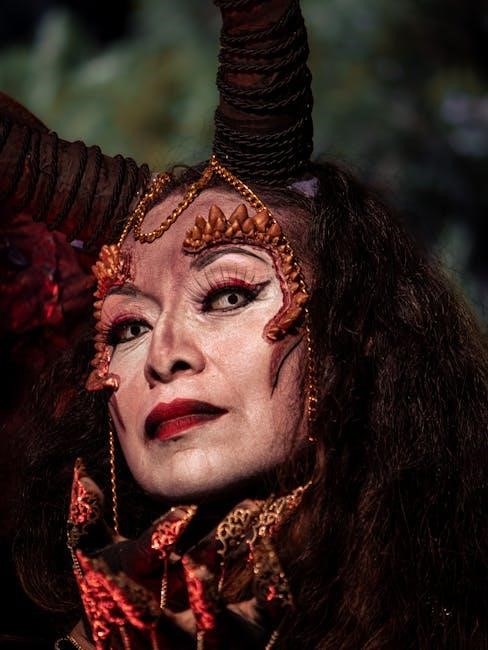
Wayne Barlowe’s artistry is defined by startling, disturbing, and incredibly detailed renderings, showcasing a wide variety of textures and styles throughout the guide.
Detailed and Realistic Rendering
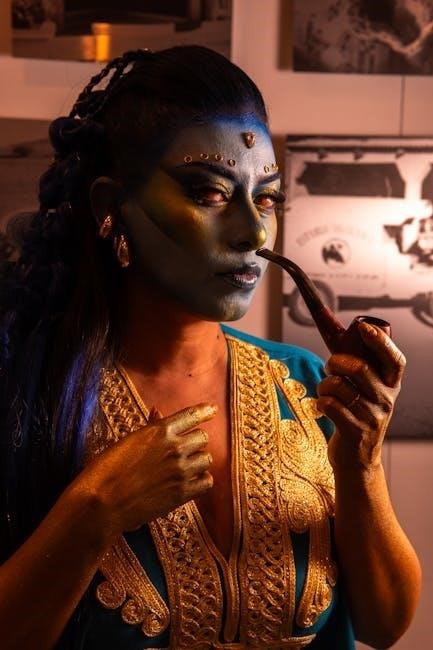
Wayne Barlowe’s artistic approach centers on a commitment to remarkably detailed and realistic renderings, bringing fantastical creatures and characters to life with stunning precision. This isn’t simply illustration; it’s a meticulous depiction of imagined beings as if they genuinely exist. The artwork achieves “perfect accuracy,” as noted by reviewers, extending to textures, anatomy, and even emotional expression.
This dedication to realism isn’t limited to the creatures themselves, but also extends to any accompanying elements like clothing and armor, rendered with “finely rendered cloth and leather.” However, Barlowe truly excels when portraying the extraordinary, focusing on the bizarre and fantastical rather than purely realistic human figures. The level of detail elevates the work beyond simple fantasy art, establishing a unique and compelling visual language.
Emphasis on Texture and Variety
Barlowe’s artistry isn’t solely defined by detail, but also by a remarkable emphasis on texture and stylistic variety within his depictions of fantastical elements. Reviewers highlight that the artwork in Barlowe’s Guide to Fantasy demonstrates “a wider variety in textures and styles” compared to his previous work, showcasing a broadened artistic range.
This variety extends to the creatures themselves, with each being possessing unique surface qualities – from scaly hides to chitinous armor, and flowing manes to rough, weathered skin. This textural richness contributes significantly to the sense of realism and believability, grounding the fantastical in a tangible visual experience. Barlowe masterfully utilizes these variations to create a truly immersive and captivating world.
Depiction of the Grotesque and Sublime
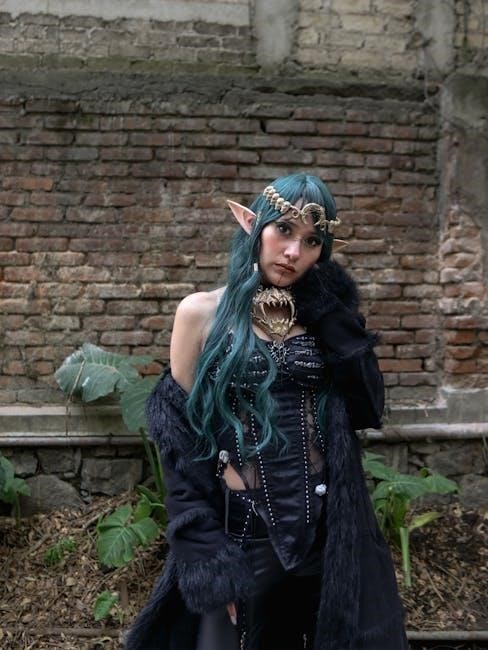
Wayne Barlowe’s work fearlessly navigates the spectrum between the beautiful and the horrific, expertly depicting both the “grotesque and sublime” within his fantastical creations. The guide doesn’t shy away from portraying creatures that are “hideous” or “disturbing,” alongside those that inspire wonder and awe. This duality is central to Barlowe’s artistic vision.
He presents a world where beauty and terror coexist, often within the same being. This masterful balance creates a compelling and unsettling effect, forcing the viewer to confront the full range of emotions evoked by the fantastical. Barlowe’s ability to render these extremes with “perfect accuracy and exquisite detail” elevates his work beyond simple illustration, transforming it into a powerful artistic statement.
Content of the Guide: Heroes and Creatures
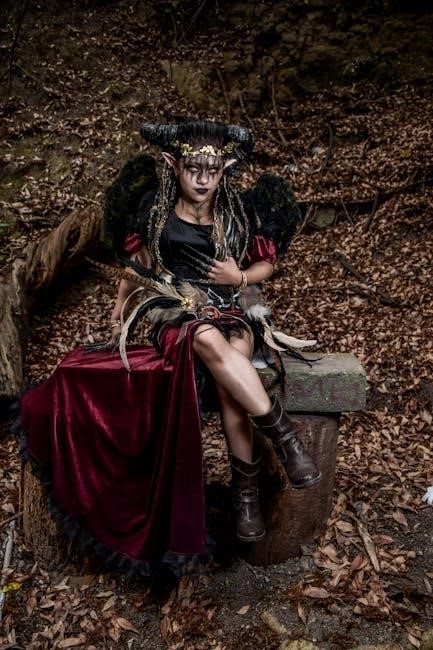
Barlowe’s Guide features fifty fantastical characters, ranging from mythical heroes to mysterious monsters, bizarre creatures, and everything in between, vividly brought to life.
Focus on Fantastical Beings
Barlowe’s Guide to Fantasy primarily centers its artistic and literary attention on a diverse array of fantastical beings, moving beyond typical depictions of heroes and villains. The guide delves into the realms of mythology and imaginative literature to present creatures both wondrous and terrifying.
While human figures are included, the true strength lies in the exploration of non-human entities, often possessing unique and bizarre characteristics. These beings are not merely illustrations; they are meticulously detailed explorations of form, texture, and imagined biology. The emphasis isn’t solely on grand, powerful creatures, but also on the smaller, stranger inhabitants of these fantasy worlds, showcasing a comprehensive vision of imaginative bestiary. This focus elevates the work beyond simple monster manuals, establishing it as a true visual encyclopedia.
Representation of Mythical Creatures
Barlowe’s Guide to Fantasy expertly represents a vast spectrum of mythical creatures drawn from the rich tapestry of fantasy and horror literature. The guide doesn’t simply rehash familiar tropes; it offers unique and startling interpretations of classic beings, rendered with “perfect accuracy and exquisite detail.”
From the sublime to the hideous, Barlowe’s depictions breathe new life into legendary monsters and fantastical beasts. The artwork showcases a commitment to both anatomical plausibility and imaginative design, resulting in creatures that feel simultaneously alien and believable. This meticulous approach extends to lesser-known entities, expanding the reader’s understanding of the breadth and depth of mythical lore. The book truly captures the range from the wonderful to the terrible.
Exploration of Horror Elements
Barlowe’s Guide to Fantasy doesn’t shy away from the darker aspects of the genre, deeply exploring horror elements within its fantastical bestiary. The guide presents creatures that are not merely frightening, but genuinely “disturbing,” showcasing Barlowe’s skill in depicting the grotesque and unsettling.
This isn’t simply shock value; the horror is often rooted in anatomical detail and realistic rendering, making the creatures all the more impactful. The book delves into the psychological impact of these beings, suggesting a deeper narrative beyond their monstrous appearance. Barlowe masterfully balances beauty and terror, creating a compelling and often unsettling visual experience, ranging from startling to truly terrifying.

Key Characteristics of the Creatures
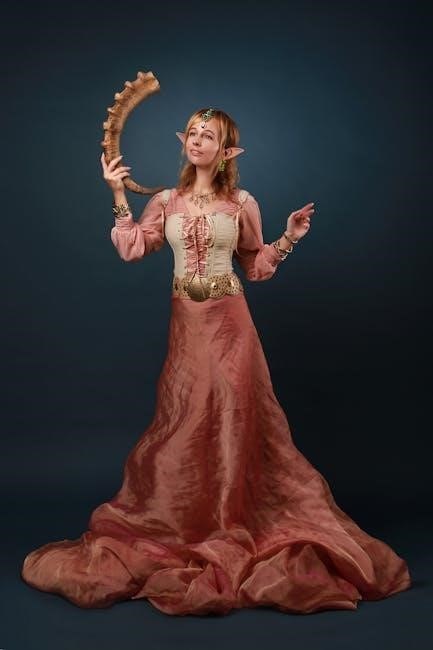
Barlowe’s creatures are rendered with “perfect accuracy and exquisite detail,” displaying a wide range of emotions—from wonderful to terrible—and remarkable diversity in design.
Accuracy and Exquisite Detail
Wayne Barlowe’s dedication to realism is a defining characteristic of his work, particularly evident in Barlowe’s Guide to Fantasy. The creatures and characters aren’t simply imagined; they are meticulously rendered with a level of detail that borders on scientific illustration. This isn’t merely about aesthetic appeal, but a commitment to believability, even within the realm of the fantastical.
Reviewers consistently highlight this aspect, describing the artwork as “awesome, incredible, startling, disturbing – all rendered with perfect accuracy and exquisite detail.” Every scale, texture, and anatomical feature is painstakingly depicted, creating a sense of tangible reality. This commitment extends beyond the creatures themselves to their environments and accoutrements, further immersing the viewer in Barlowe’s imaginative world. It’s a hallmark of his artistic approach and a key reason for the guide’s enduring appeal.
Range of Emotions: Wonderful to Terrible
Barlowe’s Guide to Fantasy doesn’t shy away from the full spectrum of emotional impact. The creatures depicted aren’t simply monstrous or beautiful; they evoke a complex range of feelings, spanning from the “wonderful to the terrible.” Barlowe masterfully portrays beings that inspire awe, fear, revulsion, and even pity, creating a deeply engaging and unsettling experience for the viewer.
This emotional depth is achieved through careful attention to expression, posture, and detail. The guide presents a diverse cast of characters, each with a unique personality and emotional resonance. Whether it’s a majestic, benevolent being or a grotesque, terrifying monster, Barlowe’s artistry ensures that every creature leaves a lasting impression, prompting a visceral and emotional response from the audience.
Diversity in Creature Design
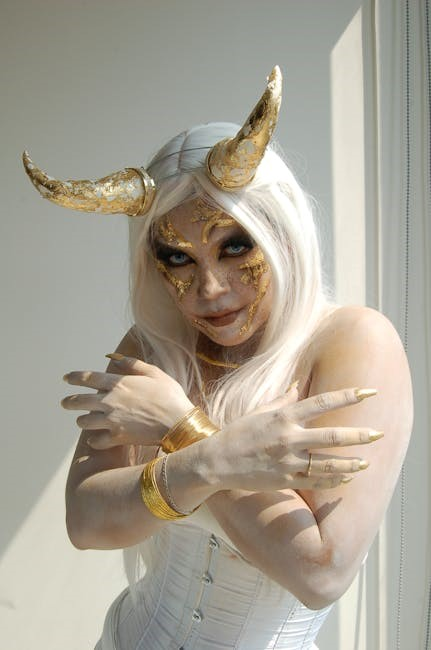
Barlowe’s Guide to Fantasy truly excels in its astonishing diversity of creature design. The book isn’t limited to traditional fantasy tropes; instead, it presents a wildly imaginative bestiary drawn from a vast range of sources. From mythical beasts to entirely original creations, the guide showcases an unparalleled breadth of fantastical beings.
This diversity extends beyond mere species. Barlowe explores variations within creature types, presenting different interpretations and adaptations. The artwork demonstrates a wide variety in textures and styles, contributing to the overall richness and complexity of the guide’s visual landscape. This commitment to originality and variety is a hallmark of Barlowe’s artistic vision.
Literary Connections and Influences
Barlowe’s Guide to Fantasy draws inspiration from both fantasy and horror literature, enriched by contributions from prominent fantasy writers and their worlds.
Inspiration from Fantasy and Horror Literature
Barlowe’s Guide to Fantasy isn’t merely an art collection; it’s a deep dive into the source material that fuels imaginative worlds. The book demonstrably pulls heavily from established fantasy and horror literature, acting as a visual companion to beloved tales. Wayne Barlowe doesn’t simply create creatures; he interprets and visualizes those born from the minds of authors.
This connection is crucial, as it grounds the fantastical designs in a literary tradition. The guide doesn’t exist in a vacuum, but rather as a loving tribute to the stories that inspired it. Barlowe’s work breathes life into the monsters and heroes described within classic and contemporary fantasy and horror, offering a unique perspective on familiar characters and concepts. It’s a testament to the power of storytelling and the enduring appeal of these genres.
Contributions from Prominent Fantasy Writers
Barlowe’s Guide to Fantasy elevates itself beyond a simple bestiary through insightful contributions from leading voices in fantasy literature. The book isn’t solely a visual experience; it’s enriched by textual elements penned by respected authors, adding layers of context and depth to Barlowe’s stunning artwork.
These contributions aren’t mere forewords or introductions. They offer unique perspectives on the creatures and concepts depicted, providing literary grounding and expanding upon the imaginative framework. The inclusion of prominent fantasy writers demonstrates a commitment to honoring the source material and fostering a dialogue between visual and literary artistry. This collaborative approach enhances the guide’s overall value and appeal.
Exploration of the Tapestry of Fantasy
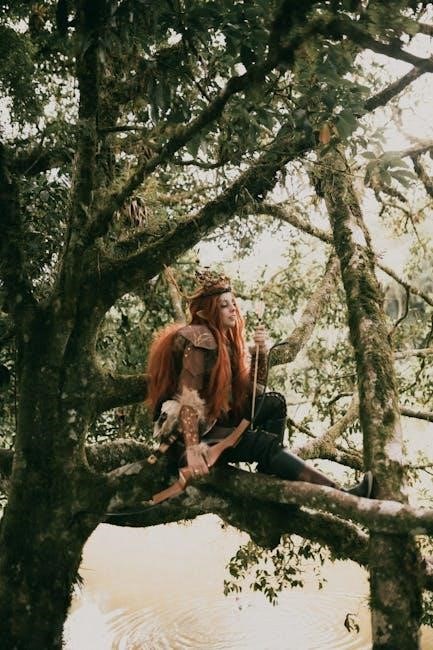
Barlowe’s Guide to Fantasy doesn’t just present individual creatures; it meticulously explores the broader tapestry of fantasy literature and mythology. The guide delves into the interconnectedness of fantastical elements, revealing how archetypes and motifs recur across diverse narratives and cultures.
It’s a celebration of the genre’s rich history and boundless imagination, showcasing the evolution of mythical beings and heroic figures. Barlowe’s work acts as a visual compendium, demonstrating the enduring power of storytelling and the collective human fascination with the extraordinary. The book’s appreciation stems from its exploration of this expansive fantasy world.
Critical Reception and Appreciation
Barlowe’s Guide to Fantasy receives praise for its artistic merit, visual appeal, and accurate depictions, exploring the rich tapestry of fantasy literature effectively.
Artistic Merit and Visual Appeal
Barlowe’s Guide to Fantasy is overwhelmingly lauded for its exceptional artistic quality and captivating visual presentation. Critics consistently highlight the artwork as “awesome, incredible, startling, and disturbing,” all achieved with “perfect accuracy and exquisite detail.” The book doesn’t merely illustrate fantasy; it embodies it through a masterful rendering of both the mundane and the monstrous.
The full-color pages showcase a remarkable range, moving seamlessly from mythical heroes to mysterious creatures, from the hideous to the sublime, and from the wonderful to the truly terrible. This isn’t simply about technical skill, but a profound ability to evoke emotion and immerse the viewer in Barlowe’s unique vision. The textures and styles represented demonstrate a wider variety than previous works, further enhancing its appeal.
Accuracy of Depiction
A defining characteristic of Barlowe’s Guide to Fantasy is its commitment to precise and detailed representation, even within the realm of the fantastical. The creatures and characters aren’t simply imagined; they are meticulously constructed with a level of realism rarely seen in fantasy art. This dedication extends to textures, anatomy, and even the emotional expressions conveyed by these beings.
Reviewers repeatedly emphasize the “perfect accuracy” with which Barlowe renders his subjects, whether depicting finely rendered cloth and leather on human figures or the grotesque features of bizarre monsters. This isn’t about photographic replication, but a believable internal consistency that grounds the fantastical in a tangible reality, making the impossible feel strangely plausible.
Impact on Fantasy Art
Barlowe’s Guide to Fantasy has demonstrably influenced subsequent generations of fantasy artists, establishing a new benchmark for detail and realism within the genre. Its publication marked a shift towards more grounded and believable depictions of fantastical creatures, moving beyond traditional, often simplistic, representations.
The guide’s artistic merit and visual appeal have cemented its place as a cornerstone of fantasy art, inspiring countless artists to embrace a similar level of meticulousness in their own work. Barlowe’s influence extends beyond mere technique, fostering a greater appreciation for the exploration of both the wondrous and the terrifying aspects of fantasy literature, leaving a lasting legacy on the field.
Legacy and Influence
Barlowe’s Guide to Fantasy continues to resonate within fantasy culture, profoundly impacting artists and inspiring a dedication to detailed, imaginative creature design.
Influence on Subsequent Fantasy Artists
Wayne Barlowe’s meticulous approach to creature design, showcased in Barlowe’s Guide to Fantasy, has demonstrably influenced a generation of fantasy artists. His commitment to realistic rendering, even when depicting the utterly fantastical, set a new standard for visual believability. Artists following in his footsteps often emulate his dedication to texture and detail, striving for the same level of exquisite accuracy.
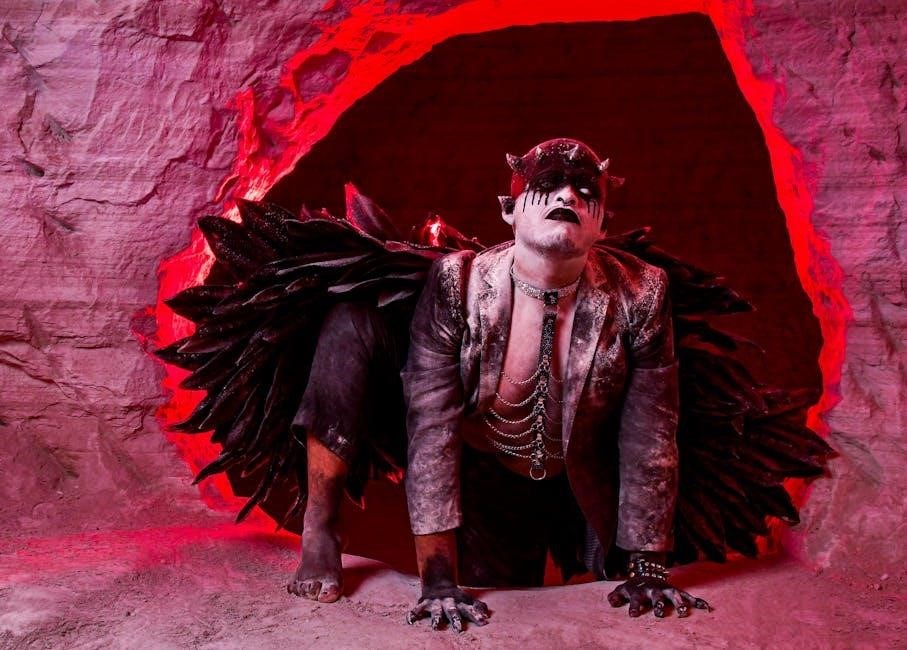
The guide’s impact extends beyond mere technique; it fostered a willingness to explore the grotesque and sublime, encouraging artists to embrace the full spectrum of imaginative possibilities. Barlowe’s work legitimized the depiction of complex, often disturbing, creatures, paving the way for darker and more nuanced fantasy art. His legacy is visible in countless illustrations, concept art pieces, and even special effects designs within the fantasy genre.
Continued Relevance in Fantasy Culture
Barlowe’s Guide to Fantasy maintains a strong presence within contemporary fantasy culture, continuing to inspire both artists and enthusiasts. Despite being initially published in 1996, the book’s unique visual style and comprehensive catalog of creatures remain remarkably fresh and influential. It serves as a valuable resource for world-building, character design, and understanding the historical roots of fantasy imagery.
The guide’s artistic merit and exploration of fantasy literature’s tapestry ensure its enduring appeal. Online communities dedicated to fantasy art frequently reference Barlowe’s work, and the book is often cited as a key inspiration. Its lasting impact demonstrates the power of truly imaginative and meticulously crafted visual worlds, solidifying its place as a cornerstone of the genre.