Understanding Tailor Body Measurement Charts for Sewing PDF
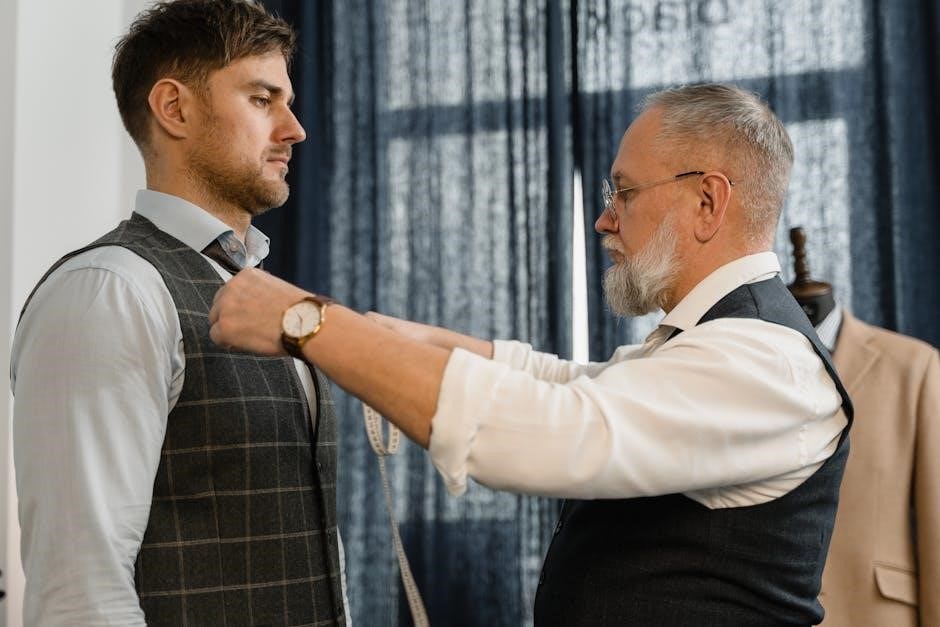
Understanding a PDF tailor body measurement chart is crucial. These printable digital downloads offer comprehensive data, an essential tool for dressmakers and tailors ensuring precise garment creation and accurate fits.
The Importance of Accurate Body Measurements in Sewing
Taking accurate body measurements is undeniably one of the most critical skills required for anyone embarking on a sewing project, regardless of their experience level. Whether you are an experienced seamstress or just starting out, knowing how to measure correctly is foundational to achieving professional results. Precise measurements are essential for ensuring a garment fits perfectly, thereby avoiding costly alterations and wasted fabric. A comprehensive sewing measurement chart, often available as a printable PDF, becomes an indispensable tool in this process. It features detailed measurements for various body parts, guiding dressmakers, tailors, and sewing enthusiasts to capture the exact data needed for individual tailoring. Critical measurements are especially vital for male tailoring and alterations, where even slight discrepancies can significantly impact the garment’s drape and comfort. Accurate data is also the first step in drafting sewing patterns, ensuring the pattern itself is built upon a solid, correct foundation for a great suit and the perfect fit. Without this precision, the entire sewing endeavor is compromised from the outset.
Why Use a Tailor Body Measurement Chart PDF
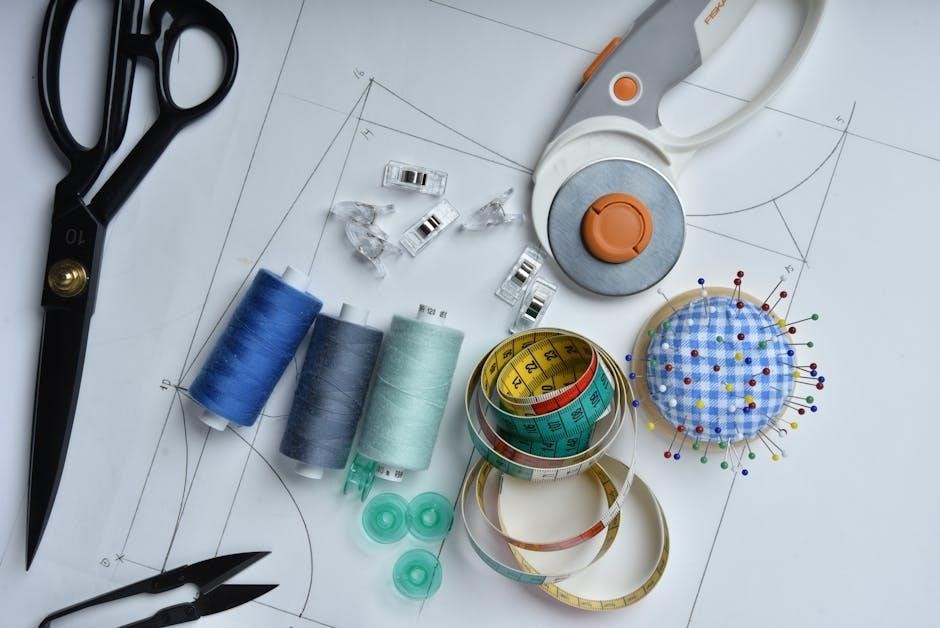
Utilizing a tailor body measurement chart in PDF format offers numerous advantages for anyone involved in sewing or tailoring. These comprehensive sewing measurement charts are often available as instant, digital downloads, making them highly accessible. They serve as an essential tool for dressmakers, tailors, and sewing enthusiasts to ensure precise garment creation. A high-quality, printable PDF chart helps you systematically record detailed body measurements for various body parts, crucial for individual tailoring and achieving a perfect fit. They eliminate guesswork, providing a structured framework for data collection. Furthermore, these charts can be customized for specific clients or projects, allowing for personalized records. The ability to print and physically mark down measurements on a dedicated worksheet ensures accuracy and provides a tangible reference. This streamlines the entire process, from initial measurement taking to the final garment construction, ultimately enhancing efficiency and the quality of the finished product, making them indispensable for any serious sewing endeavor.
Essential Tools for Taking Measurements
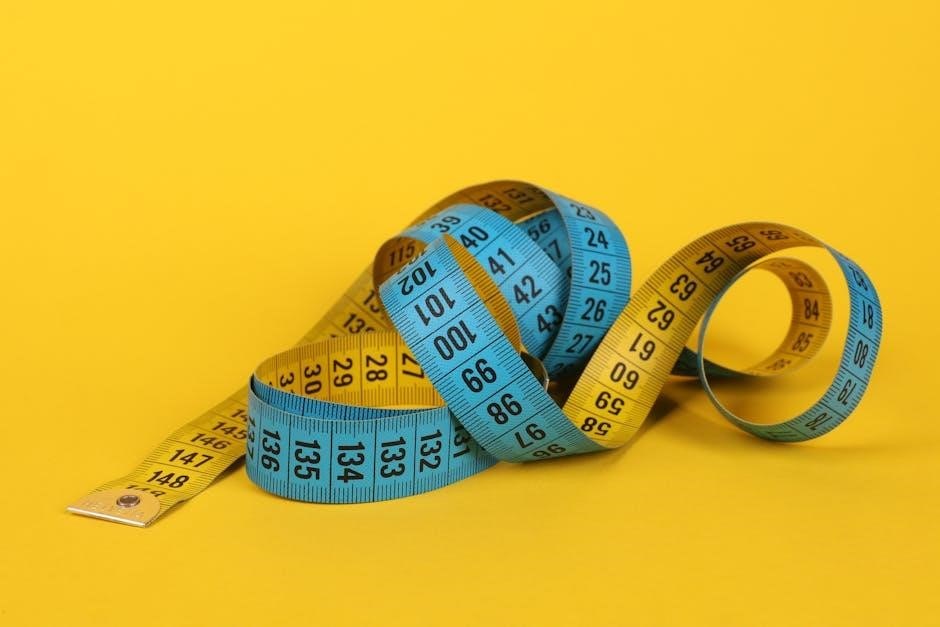
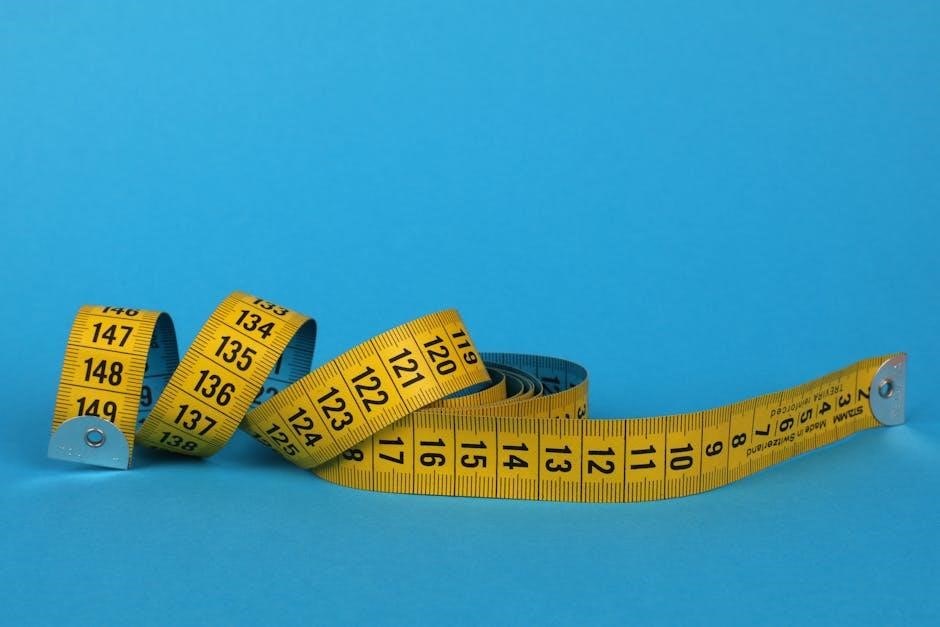
Accurate body measurements require specific tools. A flexible sewing centimeter or tape measure is crucial for capturing precise data around body curves, unlike rigid rulers. This tool provides measurements vital for individual tailoring. A printable tailor body measurement chart PDF serves as an an essential worksheet to meticulously record all figures. A reliable pen ensures clear transcription onto the chart for future reference. For self-measurement, a full-length mirror aids in maintaining correct posture and verifying tape placement. Often, a second person proves invaluable, acting as an extra set of hands to accurately measure difficult-to-reach areas. Possessing these foundational instruments guarantees reliable data, forming a solid basis for precise pattern drafting and garment alterations.
General Principles for Accurate Body Measurement
Taking accurate body measurements is paramount for successful sewing and tailoring, whether for personal projects or clients. To ensure precision, several general principles should be followed. Firstly, the subject should stand in a relaxed, natural posture, avoiding tensing or slouching. Wear minimal, form-fitting clothing to prevent fabric bulk from distorting measurements. The measuring tape, ideally a flexible sewing centimeter, must be held snugly against the body without compression, ensuring it lies flat and is parallel to the floor where appropriate, such as for waist or hip. For areas like the chest and waist, measure after a normal exhale. Enlist assistance for hard-to-reach areas like the back or inseam, as self-measurement can introduce inaccuracies. Always double-check measurements, especially critical ones, and immediately record them on your tailor body measurement chart PDF. This step-by-step approach ensures reliable data for drafting patterns and achieving the perfect fit.
Key Body Measurements for Tailoring
Accurate key body measurements are fundamental for tailoring. These include specific data points like neck, chest, body rise, and waistband, crucial for crafting well-fitting menswear and women’s garments.
Commonly Used Measurements for Menswear
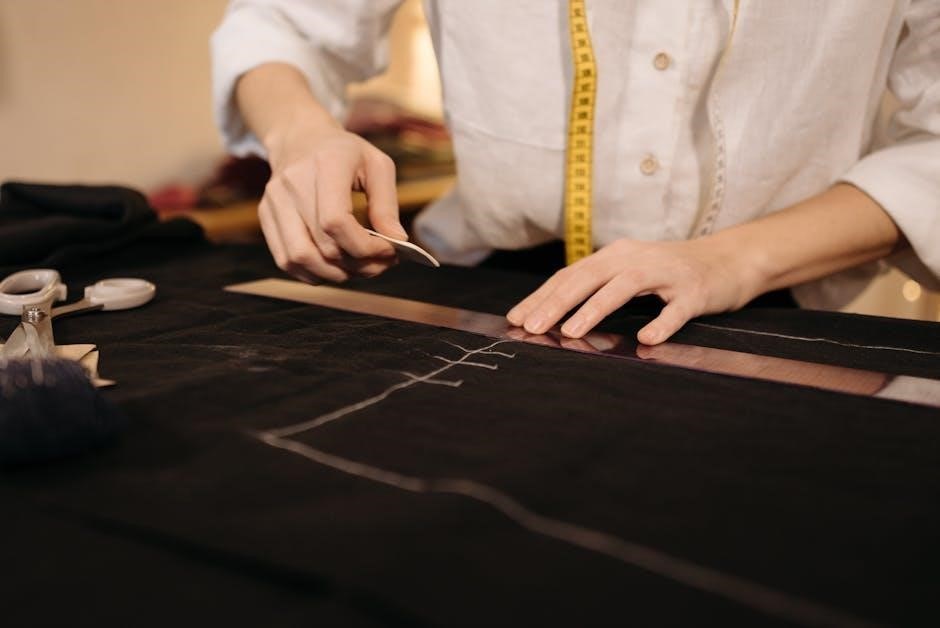
For tailoring and altering men’s clothing, understanding and accurately recording commonly used measurements is paramount. Various worksheets and guides, often found as instant download PDFs, demonstrate how to capture these essential data points. Typically, these resources outline between seven and twenty-two specific body measurements crucial for achieving a perfect fit in menswear. This comprehensive approach ensures that every garment, from a bespoke suit to an altered pair of trousers, aligns perfectly with the client’s physique. Accurate measurement taking is a foundational skill for both seasoned tailors and enthusiastic sewing beginners. It prevents common fitting issues and elevates the quality of the final product. SewNeau, among others, creates reliable guides for this purpose. These printable charts serve as indispensable tools, offering a systematic way to document and reference all necessary information. They streamline the tailoring process, helping to create custom clothing that is both comfortable and impeccably styled, enhancing client satisfaction.
Critical Measurements for Male Tailoring and Alterations
Critical measurements are the cornerstone of successful male tailoring and alterations, directly impacting the fit, comfort, and aesthetics of any garment. Worksheets and digital PDF guides, often available for instant download, meticulously detail these essential measurements, ranging from a foundational seven to over twenty specific data points. These comprehensive charts are indispensable for tailors, dressmakers, and sewing enthusiasts alike, ensuring garments perfectly contour the male physique. Accuracy in these measurements is paramount, as even slight discrepancies can lead to ill-fitting clothing. Such detailed instructions cover aspects like neck, chest, and various other crucial body dimensions. Mastering the skill of taking these critical measurements is fundamental, whether for crafting a custom suit or performing precise alterations. It guarantees that the finished product not only looks professional but also provides the wearer with unparalleled comfort and confidence, making the sewing measurement chart an indispensable tool.
Specific Menswear Measurements: Neck and Chest
For menswear, specific measurements like the neck and chest are foundational for a well-fitted garment. These are among the most commonly used measurements detailed in tailoring guides and worksheets, essential for crafting professional attire. For the neck, measure around the base, ensuring the tape is snug but not tight, typically where a shirt collar would comfortably rest. This measurement is crucial for shirt sizing, preventing discomfort or a sloppy appearance. The chest measurement, vital for jackets, shirts, and vests, involves placing the tape measure around the fullest part of the chest, usually just under the armpits. Ensure the tape is level all around the body. Instructions for taking these specific measurements are often found in comprehensive printable PDF documents, outlining procedures for 15 or even 22 different body measurements for male tailoring; Accurate neck and chest data prevent gapping collars or restrictive jackets, contributing significantly to a garment’s overall drape and comfort. Mastering these precise measurements is key for any successful male tailoring project;
Body Rise Measurement for Trousers and Crotch Seams
The body rise measurement is exceptionally critical when sewing trousers or any garment featuring a crotch seam. This vital measurement is taken from the natural waistline down to the crotch, or vice versa, ensuring a comfortable and well-fitted lower garment. It directly influences the depth of the crotch seam, preventing issues such as a too-tight or excessively baggy fit in this sensitive area. Accurate body rise data is indispensable for drafting patterns for trousers, shorts, or jumpsuits, especially when aiming for a custom, tailored look. Without precise body rise information, trousers can either pull uncomfortably high or sag unattractively low, affecting both aesthetics and wearer comfort. Tailors and sewing enthusiasts rely on this measurement to achieve the correct balance and drape for the garment’s lower half. Including body rise on a tailor body measurement chart PDF helps ensure garments fit the individual’s unique proportions perfectly, avoiding common fitting challenges associated with the crotch area.
Basic Bodice Block Measurements
For creating a foundational basic bodice block, a precise set of measurements is absolutely indispensable. This detailed tutorial outlines the essential steps for taking accurate body measurements crucial for pattern drafting. Key measurements include the bust circumference, waist circumference, high bust, back width, front width, shoulder width, and various length measurements such as shoulder to bust point, bust point to bust point, and both front and back waist lengths from shoulder/nape to waist. These specific data points are fundamental to constructing a well-fitting bodice block, which serves as the blueprint for countless garments, from tailored tops to dresses and jackets. Accurate measurement ensures the block correctly reflects the wearer’s unique torso proportions, leading to properly tailored clothing. Learning these essential steps empowers sewers to create custom patterns effectively. A comprehensive tailor body measurement chart PDF helps record these critical figures, guaranteeing consistency and precision throughout the pattern-making process, ultimately demystifying sewing pattern sizing charts and achieving a perfect fit for diverse body types.
Waistband Measurement Techniques
Accurate waistband measurement is critical for well-fitting trousers, skirts, and any garment designed with a defined waist. When working with existing garments, a common technique involves measuring from side to side along the center of the waistband and then doubling that measurement to get the full circumference. For extended measurements, this method provides a reliable baseline for alterations. However, for new garments, measuring directly on the body is essential. The waist measurement should be taken at the natural waistline, typically the narrowest part of the torso, or where the wearer prefers their garment to sit. It’s crucial to ensure the measuring tape is snug but not constricting, allowing for comfort and ease of movement. This precision prevents an overly tight or loose waistband, which can significantly impact the garment’s overall fit and aesthetic. Recording this data on a tailor body measurement chart PDF guarantees consistency, especially when drafting sewing patterns or customizing for clients. Utilizing a sewing centimeter further aids in capturing precise data, contributing to the perfect fit and avoiding common sizing issues in tailoring.
Using and Customizing Your Measurement Chart PDF
Utilize your instant download PDF chart to record client measurements precisely. Customize printable templates with click-and-drag features, adding details like posture and individual preferences. This essential tool streamlines your tailoring business for accurate results.
Instant Download and Printable Chart Benefits
Instant download and printable body measurement charts offer significant advantages for sewing enthusiasts and professionals alike. The immediate accessibility of digital PDF files means you can acquire these essential tools instantly, bypassing shipping delays. High-quality printable templates serve as a reliable guide for recording precise measurements, crucial for both individual projects and client-based tailoring businesses. They provide a standardized format, ensuring consistency and accuracy in data collection. The ability to print multiple copies allows for dedicated charts for various clients or different projects, preventing confusion and maintaining organized records. Furthermore, many such charts come with customizable features, often allowing for easy click-and-drag modifications to suit specific needs or branding. This enhances efficiency and professionalism, making the measurement process seamless and tailored to individual requirements. These digital resources truly empower sewers to achieve perfect fits with unparalleled convenience and precision.
Recording Measurements on a Body Measurements Table
Utilizing a dedicated body measurements table is fundamental for achieving precise sewing outcomes. These printable pages serve as a structured worksheet to meticulously mark down various body dimensions; Beyond just numerical data, many charts provide a figure template where you can draw additional details, illustrating specific body contours or unique features. This visual aid is invaluable for understanding the client’s or your own unique physique. Crucially, a notes area allows for documenting vital information such as posture, individual preferences, or any specific requests regarding fit and comfort. This comprehensive approach ensures that all nuances are captured, moving beyond standard measurements to a truly tailored approach. Recording these details on a well-designed chart facilitates accuracy in drafting patterns and making alterations, minimizing errors and enhancing the final garment’s fit. It transforms raw data into a personalized guide for every sewing project, whether for menswear or general garments, making it an essential practice for both novice and experienced sewists.
Adding Posture and Individual Preferences to the Chart
Incorporating details about posture and individual preferences into a body measurement chart is paramount for achieving a truly custom fit in sewing and tailoring. While numerical measurements provide a foundational dataset, the nuances of a person’s stance or specific comfort desires profoundly influence garment construction. Many advanced charts offer a dedicated “notes area” or allow for drawing directly onto a “figure template.” Here, you can document specific postural observations, such as rounded shoulders, a prominent sway back, or an uneven hip line, which significantly impact how fabric drapes and sits. Ignoring these details often leads to ill-fitting garments, even with accurate standard measurements. Moreover, individual preferences—like desired ease around the waist, a preference for a looser sleeve, or specific hem lengths—are crucial for client satisfaction. Adding this qualitative information transforms a basic measurement log into a comprehensive personal profile, guiding the tailor or sewist to make precise adjustments. This ensures the final garment not only fits dimensionally but also aligns perfectly with the wearer’s unique body mechanics and aesthetic desires, enhancing comfort and overall satisfaction.
Customizing Simple Body Measurement Charts for Clients
Customizing simple body measurement charts for clients is a key practice for any professional sewing or tailoring business, ensuring a personalized and accurate service. High-quality, printable templates are readily available, often with user-friendly “click-and-drag features” that facilitate easy modification. This allows professionals to adapt a generic chart to specifically meet individual client needs and preferences. For instance, a tailor can add specific fields for unique client requests or modify existing sections to better suit the garment type being created, whether it’s menswear or womenswear. Furthermore, these customizable charts can be enhanced to include client-specific details such as names, contact information, and even past order notes, making them a comprehensive client profile. By entering individual measurements according to a customized size chart, tailors can ensure truly individual tailoring, moving beyond standard sizing. This level of customization streamlines the process of recording body data, helps maintain organized records for “multiple male and female clients,” and ultimately elevates the client experience by demonstrating meticulous attention to detail and a commitment to perfect fit.
Using a Sewing Centimeter for Precise Data
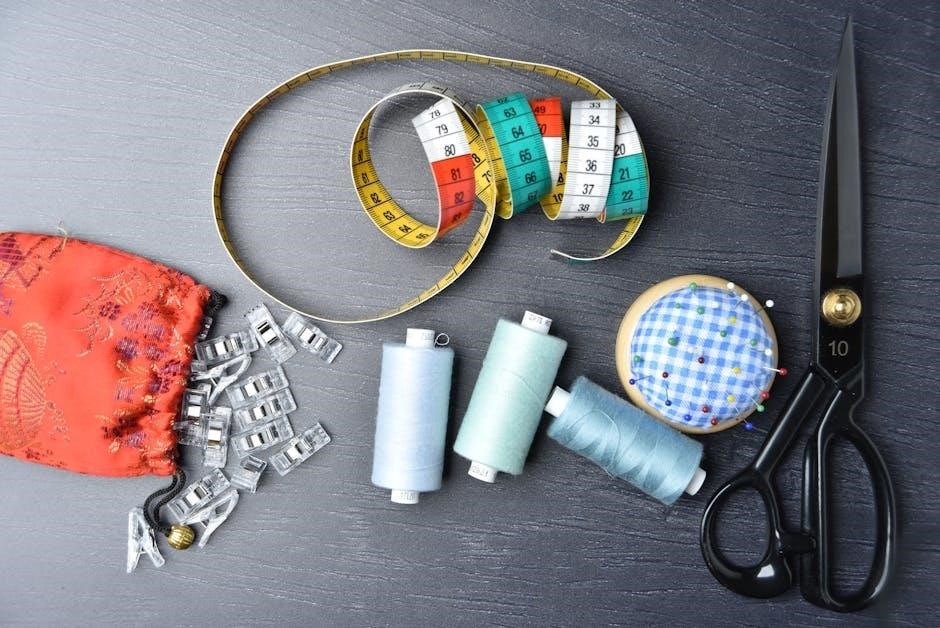
Achieving precise data in tailoring and sewing is paramount, and the sewing centimeter, often a flexible tape measure, is the indispensable tool for this task. It allows for highly accurate body measurements, which are fundamental to ensuring garments fit perfectly. Unlike rigid rulers, a sewing centimeter can conform to the body’s curves, providing true dimensions for areas like the chest, waist, hips, and limbs. This accuracy is critical when “taking accurate body measurements,” as even slight discrepancies can lead to ill-fitting clothes or costly alterations. When recording measurements on a “body measurements table,” using a sewing centimeter ensures that all “individual measurements” align perfectly with the “Size Chart for individual tailoring.” This precise data is then utilized for drafting sewing patterns or making adjustments to existing ones. Experienced seamstresses and beginners alike rely on this tool to “ensure precise sewing” and create professional-quality garments. Its flexibility and clear markings make it ideal for capturing the nuanced contours of the human body, transforming raw data into the foundation for a perfectly tailored garment.
Advanced Applications and Resources
Explore advanced resources for drafting sewing patterns, utilizing templates for multiple clients, and accessing step-by-step self-measure guides. Demystify complex sewing pattern sizing charts for expert garment creation.
Drafting Sewing Patterns with Detailed Measurements
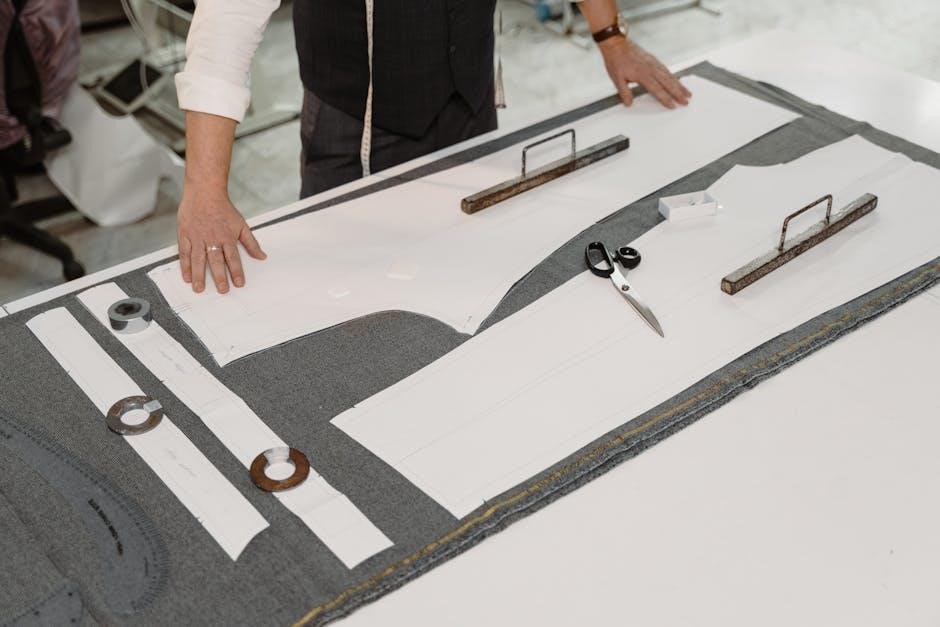
Drafting precise sewing patterns demands detailed body measurements. Instructions often provide over 20 specific measurements, vital for custom fits beyond generic sizing. This data is absolutely fundamental for crafting bespoke garments. Printable measurement charts are essential for recording client data, linking body to pattern. This translates into pattern lines, incorporating contours, posture, and preferences. Such integration ensures the drafted pattern accurately reflects the wearer’s physique, guaranteeing unparalleled fit and superior comfort. This advanced application empowers sewists and tailors to create personalized clothing. Accurate measurements are the cornerstone for successful pattern drafting, transforming raw data into perfectly fitting bespoke apparel. This meticulous process ensures every sewing project achieves professional, customized outcomes efficiently.
Templates for Multiple Male and Female Clients
Templates specifically designed for collecting body measurements from multiple male and female clients are indispensable tools for any tailoring or sewing business. These high-quality, printable documents provide a structured framework, allowing for the systematic recording of essential data for each individual. Typically, such templates include dedicated fields for client names, contact details, and an extensive list of body measurements pertinent to garment creation. This organized approach significantly enhances efficiency, ensuring that tailors and seamstresses can easily manage a diverse client base without confusion. By standardizing the data collection process for both genders, these templates minimize errors and streamline the custom fitting and alteration workflow. They become a central repository for client specifications, enabling quick retrieval for current projects or future adjustments. Utilizing these comprehensive templates guarantees a professional standard, ensuring every client receives a perfectly tailored garment that precisely reflects their unique physique and specific preferences, fostering client satisfaction and business growth.
Step-by-Step Self-Measure Guides
Step-by-step self-measure guides are invaluable resources designed to empower individuals to take their own body measurements accurately, ensuring a perfect fit for any sewing project. These user-friendly instructions, often found in blog posts, video tutorials, or printable PDF charts, demystify the process, making it accessible even for beginners. They typically break down complex measurements into simple, manageable steps, such as how to measure your neck, chest, waist, and other critical points. Many guides emphasize the ease of the process, assuring users that achieving precise data for custom clothing, like suits or everyday wear, is entirely feasible. By following these clear directives, individuals can confidently record their dimensions on a printable body measurement chart. This capability is crucial for those who make their own clothes or order custom garments online, providing the foundational data needed for drafting patterns or selecting the correct size from sewing pattern sizing charts. Such guides ensure that the final garment aligns perfectly with personal body contours and preferences.
Demystifying Sewing Pattern Sizing Charts
Understanding the intricacies of pattern sizing charts is a pivotal skill for any sewing enthusiast, from novice to experienced seamstress. Many find these tables daunting, but once their logic is grasped, the challenge of achieving a perfect fit diminishes significantly. These charts are crucial for translating personal body measurements, meticulously recorded on a tailor body measurement chart PDF, into the correct pattern size. They often provide standardized dimensions, which may not perfectly align with every individual’s unique physique. The key lies in comparing your own precise data—such as bust, waist, and hip—against the pattern’s suggested measurements, rather than relying solely on arbitrary clothing sizes. Learning to interpret these charts, and incorporating individual variations or ‘bonus tips’ for adjustments, ensures that garments sewn from commercial patterns fit beautifully, preventing common sewing frustrations and leading to more successful and satisfying projects. This knowledge truly transforms the sewing experience.